HOME / Australopithecus sediba
1.977 million years
Malapa
Lee Berger and Matthew Berger (2008)
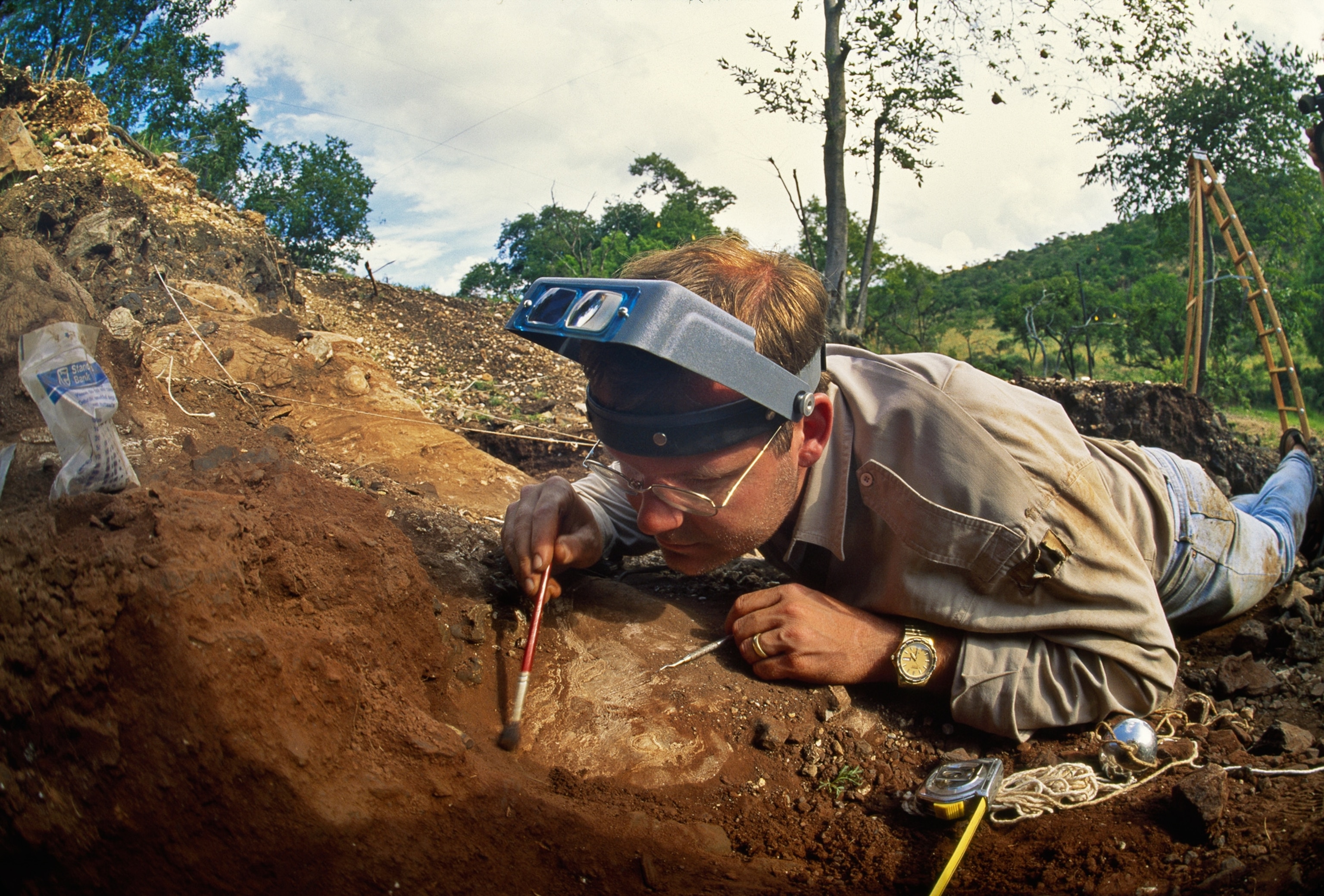
Discovered at Malapa by 9-year-old Matthew Berger. The two well-preserved skeletons (MH1 and MH2) show a unique combination of Australopithecus and Homo features.
A. sediba combines a small, Australopithecus-sized brain with Homo-like dental, hand, and pelvic features, fuelling debate about its place in the human lineage.
Two partial skeletons were recovered from the Malapa cave site, among the most complete early hominin skeletons found to date.
An interactive 3D model of this specimen is coming soon.
Check visitor information, plan your route, or get in touch with the relevant attraction.
A 52,000-hectare UNESCO World Heritage Site — the richest hominin fossil record on Earth.
26°0′S · 27°44′E
© 2026 Cradle of Humankind World Heritage Site · All rights reserved